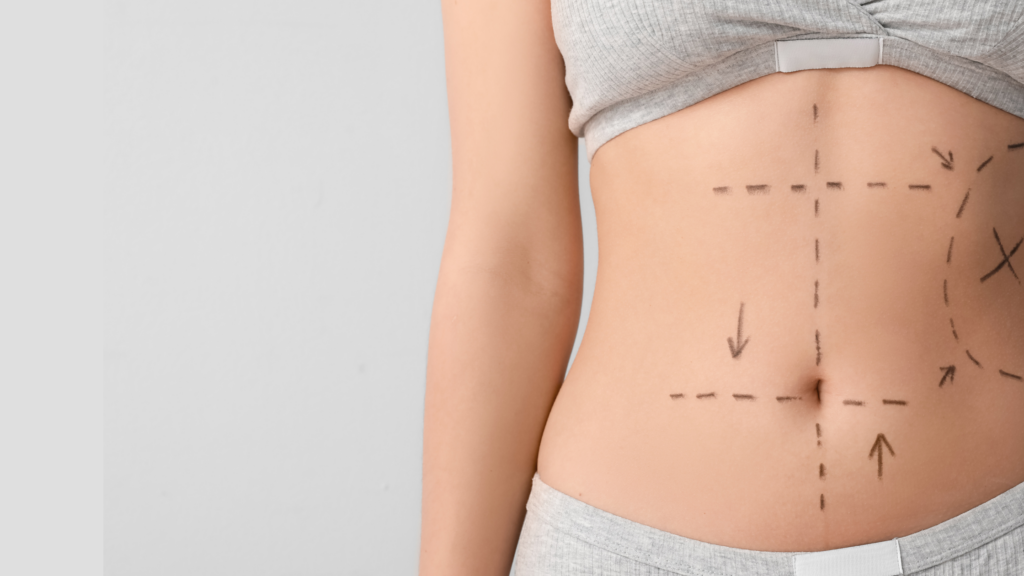
Liposuction is one of the most popular cosmetic surgery procedures worldwide, known for its ability to sculpt the body by removing stubborn fat deposits. For individuals struggling with areas of fat that are resistant to diet and exercise, liposuction offers a safe and effective solution. This minimally invasive procedure is performed by qualified plastic surgeons to help patients achieve a slimmer, more contoured physique.
What is Liposuction? Liposuction is a surgical fat removal procedure that targets specific areas of the body to eliminate localized fat deposits. It is not a weight loss method but a body contouring technique designed to improve shape and proportion.
Common Areas Treated with Liposuction:
Abdomen
Flanks (love handles)
Thighs (inner and outer)
Hips
Upper arms
Chin and neck
Back
Chest (especially in male gynecomastia)
Types of Liposuction Techniques:-
Tumescent Liposuction: The most commonly used technique; a saline solution with anesthetic and epinephrine is injected to reduce pain and bleeding before fat removal.
Ultrasound-Assisted Liposuction (UAL): Uses ultrasonic energy to liquefy fat, making it easier to remove, particularly useful for fibrous areas.
Laser-Assisted Liposuction (SmartLipo): Utilizes laser energy to melt fat and stimulate collagen production for skin tightening.
Power-Assisted Liposuction (PAL): A vibrating cannula helps break down fat for quicker and more precise removal.
Benefits of Liposuction:- ✅ Targeted fat removal – Contours specific areas unresponsive to diet and exercise. ✅ Improved body shape and confidence ✅ Minimal scarring and downtime with advanced techniques ✅ Can be combined with other cosmetic procedures such as tummy tuck or body lift
Ideal Candidates for Liposuction:-
Individuals within 30% of their ideal weight
Have firm, elastic skin and good muscle tone
Non-smokers
Have realistic expectations
What to Expect During and After the Procedure? Duration: Typically 1-3 hours, depending on areas treated Anesthesia: Local or general anesthesia based on the extent of the procedure Recovery Time: Most patients return to work within a few days to a week Post-op Care: Compression garments, limited physical activity, and follow-up visits with the surgeon
Risks and Considerations:- While liposuction is safe when performed by an experienced surgeon, potential risks include:
Swelling and bruising
Temporary numbness
Irregular contours or asymmetry
Infection (rare)
Maintaining Results After Liposuction, To ensure long-lasting results:
✅Maintain a healthy diet ✅Stay active with regular exercise ✅Avoid significant weight fluctuations
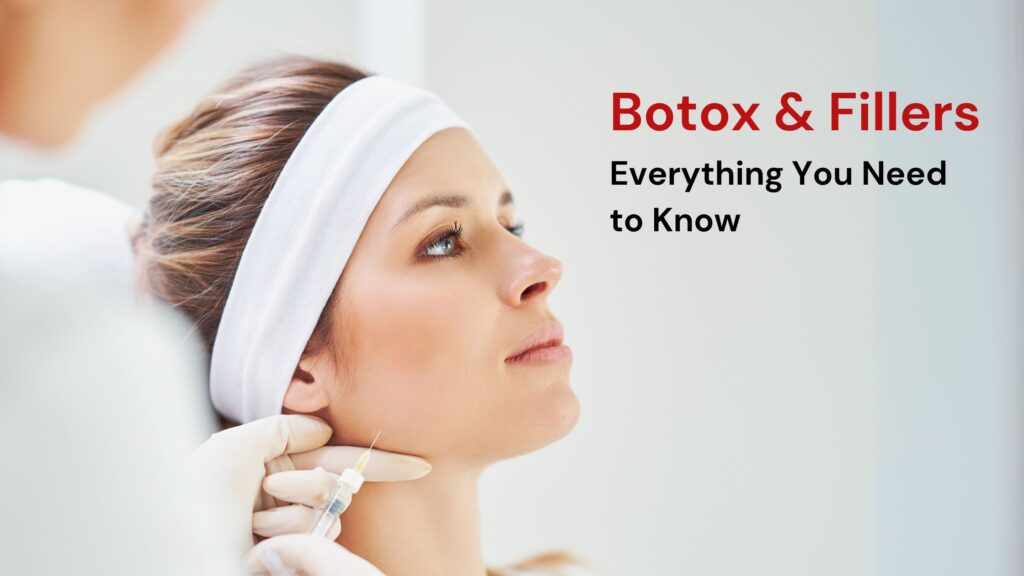
In the world of aesthetic medicine, Botox and dermal fillers have become the go-to treatments for those seeking non-surgical facial rejuvenation. Whether you’re looking to smooth wrinkles, restore volume, or achieve a more youthful appearance, these cosmetic injectables offer remarkable results with minimal downtime.
What is Botox?
Botox (Botulinum Toxin Type A) is a neurotoxin that temporarily relaxes facial muscles responsible for dynamic wrinkles. It works by blocking nerve signals that cause muscle contractions, thereby reducing the appearance of fine lines and wrinkles.
Common Areas Treated with Botox:
Forehead lines
Crow’s feet (around the eyes)
Frown lines (glabellar lines)
Bunny lines (on the nose)
Chin dimpling
Jawline slimming (masseter muscle)
Neck bands (platysmal bands)
What are Dermal Fillers?
Dermal fillers are gel-like substances injected beneath the skin to restore lost volume, smooth lines, and enhance facial contours. Most fillers are made of hyaluronic acid (HA), a naturally occurring substance in the skin that helps retain moisture and elasticity.
Common Areas Treated with Fillers:
Cheek augmentation
Lip enhancement
Nasolabial folds (smile lines)
Marionette lines (lines from mouth to chin)
Jawline contouring
Under-eye hollows (tear troughs)
Hand rejuvenation
Benefits of Botox and Fillers ✅ Non-surgical and minimally invasive – No incisions or anesthesia required. ✅ Quick treatment – Most procedures take 15-30 minutes. ✅ Minimal downtime – Resume daily activities immediately. ✅ Customizable results – Treatments can be tailored to individual facial features. ✅ Prevention of wrinkles – Botox can prevent deep wrinkle formation when used early.
Are Botox and Fillers Safe?
Both treatments are FDA-approved and considered safe when administered by a qualified professional, such as a board-certified plastic surgeon or aesthetician. Side effects are generally mild and temporary, including redness, swelling, or bruising at the injection site.
Who is a Good Candidate for Botox and Fillers? If you have:
Fine lines and wrinkles due to aging or facial expressions
Loss of volume in cheeks, lips, or under the eyes
Desire for a youthful and refreshed appearance without surgery
Realistic expectations about results
Then you might be an ideal candidate for these treatments!
Post-Treatment Care Tips
Avoid touching or massaging the treated area for at least 24 hours.
Stay upright for a few hours after Botox injections.
Avoid strenuous exercise for 24-48 hours.
Apply ice packs if needed to reduce swelling or bruising.
Follow all post-care instructions provided by your aesthetic provider.
Final Thoughts
Botox and fillers are excellent options for those looking to enhance their natural beauty without undergoing surgery. With the right provider, these treatments can help you achieve a refreshed, youthful appearance safely and effectively.
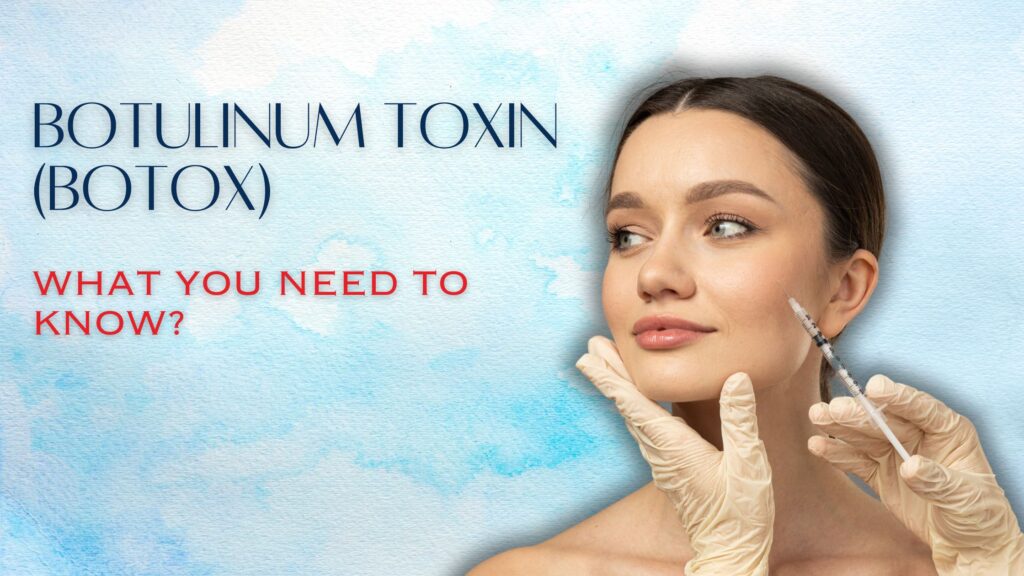
Botulinum toxin, commonly known as Botox, is a neuromodulator that works by preventing muscle contractions. It is widely recognized as one of the most effective treatments for facial wrinkles, fine lines, and signs of aging. Botox is primarily used for aesthetic enhancements, but it also has several medical applications such as treating excessive sweating (hyperhidrosis), migraines, and facial contouring.
How Botox Works: The Mechanism of Action
Botulinum toxin is derived from a purified bacterial source and functions by blocking nerve signals to the muscles. When injected, Botox prevents muscle contractions, leading to smoother skin with reduced wrinkles and fine lines. The most widely used types of botulinum toxin include Botox, Dysport, and Xeomin.
The FDA-approved uses of Botox include:
Frown lines (glabellar lines)
Crow’s feet (wrinkles around the eyes)
Forehead lines
Dysport and Xeomin, on the other hand, are only approved for treating frown lines.
Areas of Skin Improvement with Botox
Botox injections can significantly improve various skin concerns, including:
Crow’s feet (wrinkles around the eyes)
Forehead furrows (horizontal forehead lines)
Frown lines (glabellar lines between eyebrows)
Lip lines (smoker’s lines)
Bunny lines (lines on the nose bridge)
Neck bands (visible thick bands around the neck)
Chin dimpling (pebbly chin appearance)
Mouth corners (helps lift sagging corners of the mouth)
Jawline softening
Gummy smile correction
These treatments provide a youthful, refreshed appearance with minimal downtime.
Botox for Facial Wrinkles
Botox is one of the most sought-after non-surgical cosmetic treatments for the temporary reduction of facial wrinkles. Popular treatment areas include:
Frown lines
Forehead creases
Crow’s feet near the eyes
Neck bands
Lip lines
Gummy smiles
Botox offers a natural yet effective solution for rejuvenating facial features while maintaining a subtle, youthful look.
Botox for Facial Contouring
A square or broad jawline is often caused by strong and enlarged masseter muscles. Botox injections help reduce the size of these muscles, resulting in a:
Slimmer, more defined jawline
Feminine facial contour
Balanced, aesthetically pleasing face shape
Botox for facial contouring is non-invasive and provides noticeable results in a few weeks.
Botox for Excessive Sweating (Hyperhidrosis)
Hyperhidrosis is a condition characterized by excessive sweating, which can be embarrassing and disrupt daily life. Botox is an effective solution for treating excessive sweating in areas like:
Underarms
Palms
Soles of the feet
By blocking nerve signals to the sweat glands, Botox significantly reduces perspiration, providing long-lasting relief.
Botox for Migraines
For individuals suffering from chronic migraines, Botox injections into specific trigger points can help:
Reduce the frequency and severity of migraines
Alleviate muscle tension and pain
Provide relief for up to 7 months
Botox is FDA-approved for migraine treatment and is an excellent option for those who have not found relief with traditional medications.
Who is the Best Candidate for Botox Treatment?
You may be a good candidate for Botox if:
You are in good overall health
You have realistic expectations about the results
You are seeking aesthetic enhancement or relief from medical conditions
However, Botox may not be suitable if you:
Have serious health conditions like heart disease, diabetes, or bleeding disorders
Are pregnant or breastfeeding
Are a smoker or consume excessive alcohol
Have severe allergies or neuromuscular disorders
Consulting with a qualified medical professional is essential to determine if Botox is right for you.
Benefits of Botox Treatment
1. Painless & Quick Treatment
Minimal discomfort with very fine needles
No need for anesthesia
Takes just 10-15 minutes
2. No Downtime
Resume daily activities immediately after treatment
Mild swelling or redness resolves within hours
3. Youthful & Rejuvenated Appearance
Reduces wrinkles, fine lines, and sagging skin
Enhances natural facial contours
4. Non-Invasive & Safe
No surgery required
Low risk of side effects when performed by a professional
5. Versatile Medical Applications
Treats migraines, hyperhidrosis, and facial asymmetry
Helps with jawline contouring and muscle relaxation
The Reality of Botox: What to Expect
While Botox is a highly effective treatment, it is crucial to have realistic expectations. Here’s what you should know:
Results appear within 3 to 7 days
Effects last between 3 to 6 months, requiring maintenance treatments
Some individuals may require touch-ups for optimal results
Side effects are minimal, with temporary redness or bruising at the injection site
Possible Side Effects & Risks
Although Botox is generally safe, some side effects may include:
Temporary bruising or swelling at the injection site
Mild headache or flu-like symptoms
Drooping eyelids or uneven facial expressions (rare)
Allergic reactions (very rare)
Choosing an experienced and certified injector minimizes risks and ensures optimal results.
Conclusion: Is Botox Right for You?
Botox is a powerful, non-invasive cosmetic treatment that enhances youthfulness, confidence, and overall appearance. Whether you want to reduce wrinkles, refine your jawline, or treat excessive sweating, Botox offers a safe and effective solution with minimal downtime.
If you are considering Botox, schedule a consultation with a qualified professional to discuss your goals, expectations, and suitability for the treatment. With the right approach, Botox can help you look and feel your best!
SEO-Optimized Keywords for Botox Treatment:
Botox treatment
Botox for wrinkles
Botox for facial contouring
Botox for hyperhidrosis
Botox for migraines
Botox injections
Non-surgical facial rejuvenation
Anti-aging treatments
Benefits of Botox
Best Botox treatment near me
How long does Botox last?
By incorporating these keywords naturally throughout the article, this content is optimized to rank higher on search engines and attract the right audience looking for Botox treatments.
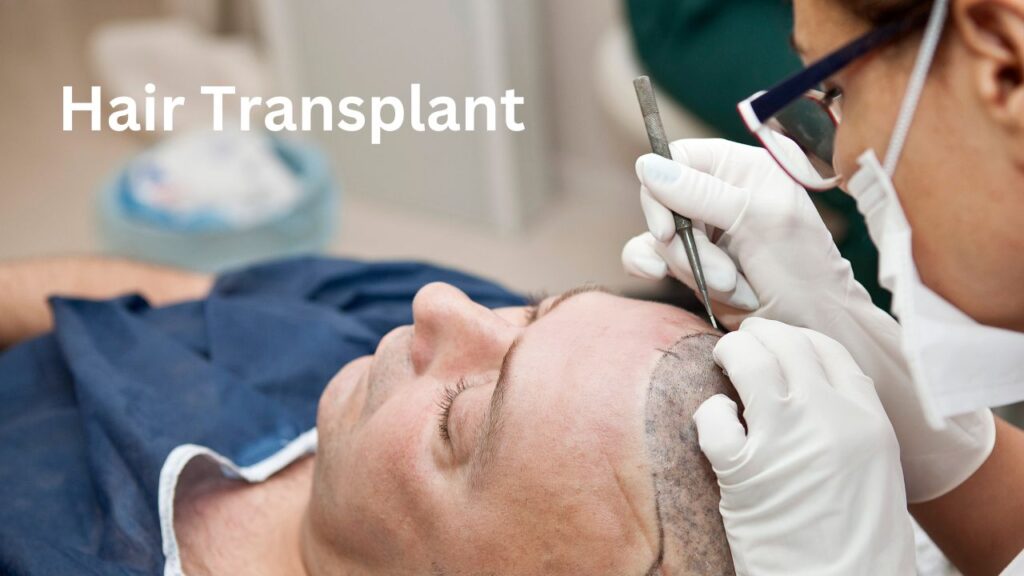
Hair transplantation is a cutting-edge surgical technique designed to restore hair growth in individuals experiencing baldness or thinning hair.
This procedure involves removing hair follicles from one part of the body, known as the “donor site,” and transplanting them to a bald or thinning area, referred to as the “recipient site.”
Hair transplants are primarily used to treat male pattern baldness, but they can also help individuals with hair loss due to injury or medical conditions.
How Does Hair Transplantation Work?
Hair transplantation is performed under local anesthesia in a hospital or a specialized clinic for Hair Transplant. The procedure begins with cleaning the scalp and injecting a numbing agent to minimize discomfort. There are two primary methods used for hair transplantation:
Follicular Unit Strip Surgery (FUSS)
This method involves the following steps:
The surgeon removes a strip of skin from the back of the scalp, where hair is denser.
The removed strip is then divided into smaller follicular units containing individual hair follicles.
The surgeon carefully implants these follicular units into the recipient area to ensure a natural appearance.
Follicular Unit Extraction (FUE)
The FUE technique is a more modern and minimally invasive approach:
Individual hair follicles are extracted directly from the donor site using a specialized tool.
These follicles are then implanted into the recipient area, mimicking the natural growth pattern.
FUE typically results in less scarring and a quicker recovery compared to FUSS.
Expectations and Recovery After a Hair Transplant
Post-surgery, patients may experience tenderness and mild discomfort in the scalp. Here’s what to expect during the recovery phase:
Bandages are usually required for 1-2 days post-surgery.
Pain medications, antibiotics, or anti-inflammatory drugs may be prescribed to manage discomfort and prevent infections.
Most individuals can resume work within 2 to 5 days following the procedure.
Hair shedding occurs within 2 to 3 weeks after surgery, a normal part of the hair restoration process.
New hair growth is typically noticeable within a few months, with around 60% of hair regrowth occurring within 6 to 9 months.
Some doctors may recommend minoxidil or other hair growth stimulants to enhance results, though their effectiveness varies from person to person.
Types of Hair Transplants
Hair transplantation techniques are categorized based on the type of grafts used:
Slit Grafts
Ideal for achieving fuller, denser hair coverage.
Micrografts
Contain 1 to 2 hair follicles per graft.
Best for natural-looking results and precise hairline restoration.
Who Can Benefit from a Hair Transplant?
A hair transplant can significantly improve one’s appearance and boost self-confidence. Ideal candidates include:
Men with male pattern baldness – The most common candidates.
Women with thinning hair – Especially those experiencing hair loss due to genetics or hormonal changes.
Individuals with hair loss from burns or scalp injuries – Hair transplants can restore lost hair caused by trauma.
Who is Not a Good Candidate for Hair Transplantation?
While hair transplantation offers promising results, it may not be suitable for everyone. Those who may not be ideal candidates include:
Women with widespread hair loss – If thinning occurs throughout the scalp, there may not be enough donor hair for a successful transplant.
Individuals with insufficient donor hair – A successful transplant requires healthy hair follicles from the donor area.
People prone to keloid scarring – Thick, fibrous scars may form after surgery, affecting the outcome.
Patients experiencing hair loss due to medications (e.g., chemotherapy) – In such cases, hair loss is often temporary and may not require a transplant.
Advantages of Hair Transplantation:
Permanent Solution: Unlike topical treatments and medications, hair transplants offer a long-lasting solution.
Natural Appearance: Modern techniques ensure that transplanted hair blends seamlessly with natural hair.
Minimal Maintenance: Once transplanted hair grows, it requires no special care beyond regular grooming.
Boost in Confidence: A fuller head of hair can significantly improve self-esteem and overall appearance.
Risks and Considerations:
Like any surgical procedure, hair transplantation comes with potential risks:
Infection or bleeding: Though rare, proper aftercare minimizes these risks.
Scarring: FUSS may leave a linear scar, whereas FUE results in minimal scarring.
Shock Loss: Some existing hair may temporarily fall out, but it usually regrows.
Uneven Growth: Some transplanted hair may grow at different rates, requiring touch-ups.
Cost of Hair Transplantation:
Hair transplant costs vary based on several factors:
The extent of hair loss and number of grafts needed.
The chosen transplant method (FUE is generally more expensive than FUSS).
The surgeon’s experience and clinic location.
Additional treatments like PRP therapy or medication.
Alternative Treatments for Hair Loss
If a hair transplant isn’t suitable, alternative treatments include:
Medications: Minoxidil and Finasteride can slow hair loss.
Platelet-Rich Plasma (PRP) Therapy: Involves injecting growth factors into the scalp to stimulate hair growth.
Low-Level Laser Therapy (LLLT): A non-invasive treatment that may promote hair regrowth.
Scalp Micropigmentation (SMP): A cosmetic procedure that creates the illusion of a fuller scalp.
Final Thoughts
Hair transplantation is an advanced, effective solution for hair loss, particularly for individuals with male pattern baldness, thinning hair, or hair loss due to injury. While the procedure offers long-term benefits, it’s essential to have realistic expectations and consult a qualified surgeon to determine the best approach.
If you’re considering a hair transplant, thorough research and consultation with an expert can help you make an informed decision. Whether through surgical intervention or alternative treatments, various solutions are available to restore hair and confidence.